Why Does Pasta Water Go Crazy?
And how to stop it from boiling over
You know the moment.
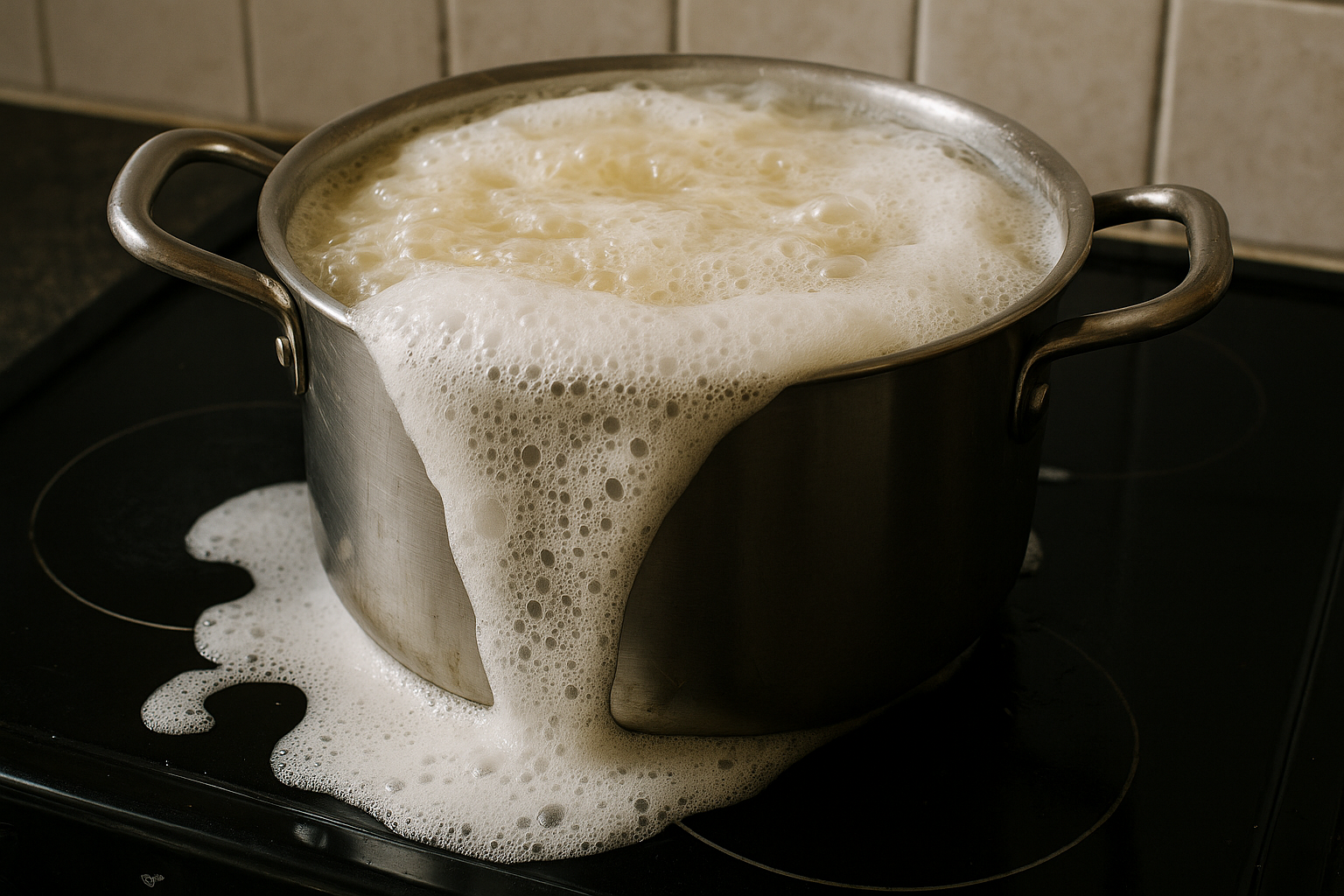
The water begins to boil. You drop in the pasta, turn around to grab the colander, and before you know it the pot is boiling over, spilling into the stove and making a terrible mess.
If you’re cooking on a glass cooktop, the pot adds a special drum solo to make it more dramatic.
It rattles.
It thumps.


Eyes get big.
Do I turn off the burner?
Do I move the pot?
Do I step aside and watch this volcano, hoping it slows down?
A boil-over isn’t just messy. It’s dangerous — it’s hot liquid, steam, and piping-hot noodles. A slick, starchy mess on the stovetop will take the fun out of cooking for sure.
Once you know WHY this happens, you can stop it before it starts.
Why Pots Boil Over: (Science in the kitchen!)
Water boils at 212 ° Fahrenheit (100°C) — well-behaving little bubbles rising up in orderly columns — but if that were always the case, you and I wouldn’t be having this conversation. Then, you add pasta, rice, potatoes, or anything starchy, and suddenly the whole situation becomes wild and crazy. Those well-behaved bubbles begin acting very differently.
The culprit is starch.
Starch does something the moment it hits boiling water: it creates a fine, slippery coating that traps steam inside tiny bubbles. Those bubbles insist on sticking together and forming a thick, foamy layer on top—kind of like suds in dishwater. The thicker the foam becomes, the more likely it is to spill over the side of the pot, and that’s when things get a little tense around the stove.
It’s a chain reaction.
And the hotter the burner, the more aggressively those bubbles try to escape.
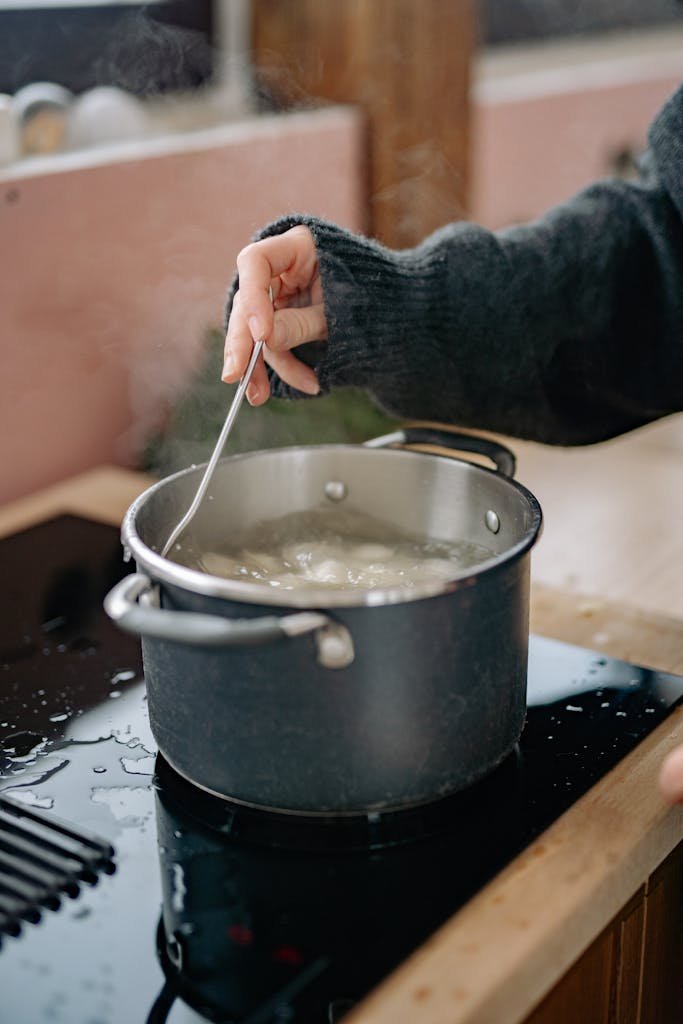
The most important thing to do when the pot is bubbling over is to turn the heat way down if you don’t have a ‘boil–over stopper’.
How to keep it from happening in the first place
A few small habits go a long way:
- Use a bigger pot than feels necessary. Extra room at the top gives foam space to build without reaching the top of the pot.
- Don’t wander off once the pasta goes in. This is one of those moments in cooking that really does demand your attention — boil-overs build surprisingly fast.
- Keep it at a steady boil, not max heat. You’ll get the same perfectly cooked pasta with a lot less drama.
- Give it the occasional stir. Breaking up the foam before it builds into a solid layer helps a lot.
And if it’s already happening?
Turn the heat down first — even a little helps immediately. An old-school trick is laying a wooden spoon across the pot, which can help break up the foam.
But, my favorite fix is just keeping a boil-over stopper on hand. It’s shape is designed to set right on top of the pot once your pasta’s in, and it breaks up the foam and lets steam escape through the holes instead of forcing it over the edge. My preference is a Hutzler, it’s dishwasher-safe, and it doubles as a handy oven-rack puller, which I didn’t expect but now use constantly.
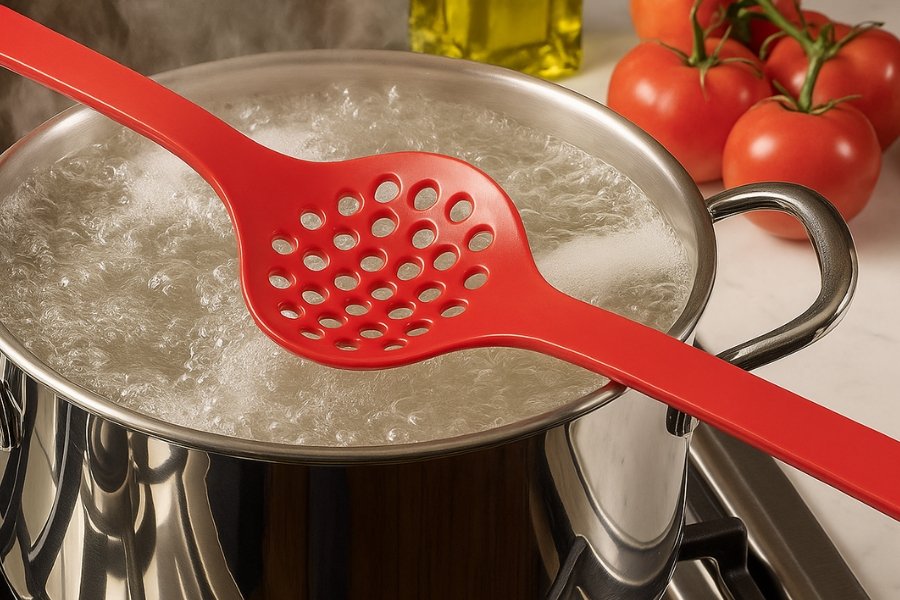
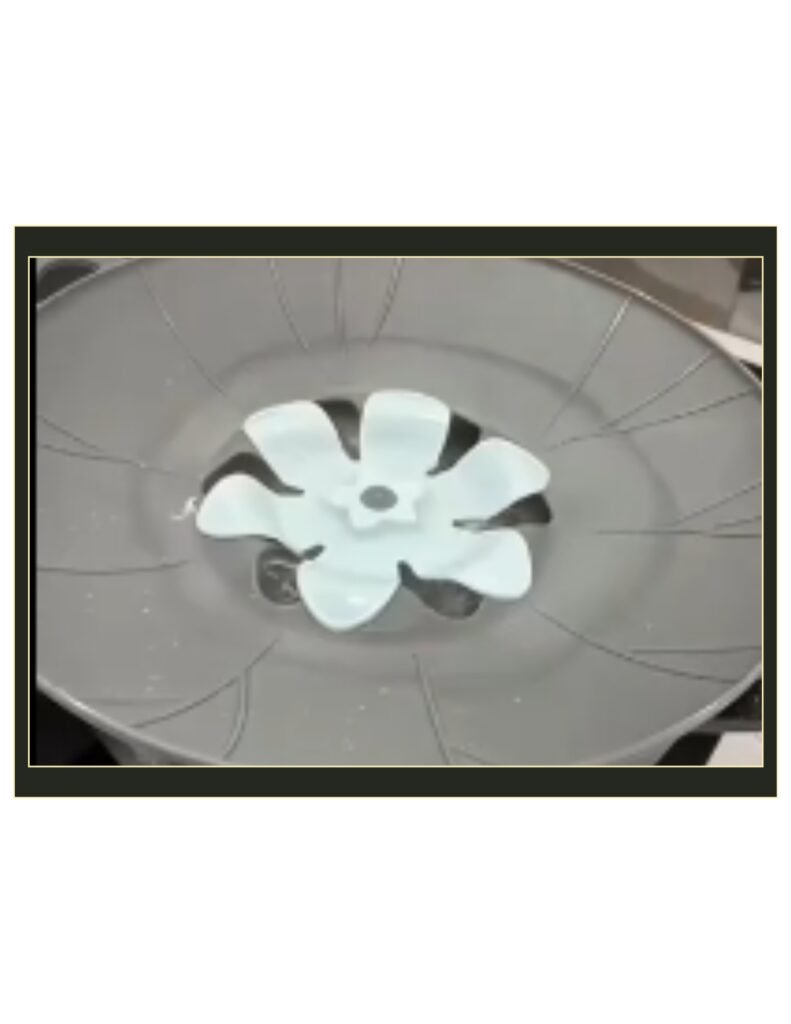
3 sizes, two color options, URMONA
Teachable Moments
If you’re cooking with kids, this is one of those moments can start a great science conversation. You don’t need a lesson plan for it — just ask, “Why do you think that happened?” while you’re wiping down the stove together. Kids notice this stuff. Half the fun of cooking with them is that everyday moments like this turn into real curiosity, no textbook required. It’s a great teaching opportunity.
Safety Tips for Teaching with Heat
Always supervise students closely, use silicone gloves or mitts, and provide a safe distance zone from the pot.
FAQs About Why Pots Boil Over
What causes pots to boil over the fastest?
Starch-rich foods like pasta and potatoes create foamy bubbles that stack and spill over.
Does adding oil prevent foam from overflowing?
A small amount of oil can reduce surface tension, but it’s not always reliable. A roomy pot, steady heat, stirring, and close attention are better habits.
Why doesn’t plain water boil over?
Plain water can still spill or bubble over if a pot is too full or violently boiling. The difference is that it does not ordinarily create the same stable layer of starch-supported foam.
Can a larger pot prevent boil-overs?
Yes—sometimes. Extra space allows bubbles to expand without spilling over, but don’t over-fill with pasta or other starchy foods.
Does lowering the heat stop boil-overs?
Absolutely. Reducing heat calms bubbling and prevents rapid foam expansion.
Boil-overs may look chaotic, but they follow predictable scientific principles. By understanding heat, pressure, viscosity, and surface tension, students can connect everyday kitchen moments to meaningful STEAM learning (Culinary Arts is an Art afterall). And with simple tools like wooden spoons and the boil-over stoppers above, preventing mishaps becomes easy—and a learning experience.
If you’re ready to bring more wonder—and far less chaos—into your cooking time:
👉 Explore my Kitchen Picks for hands-on, kid-friendly cooking tools
👉 Check out the companion blog all about induction burners
Because sometimes the best science experiments aren’t found in textbooks.
They’re bubbling on the stove… just waiting for a teacher, a parent, or a grandparent to say, “Come here—let me show you something cool.”